
From birth through the early years, diapers are a daily essential for your baby. As parents prepare during pregnancy and beyond, selecting the right ones is crucial. Your little one's delicate skin demands careful choices in clothing, bedding, and especially diapers. To find the best fit, consider key criteria. But first, understand why prioritizing quality diapers is vital for health and sustainability.
Contents 1 How to choose diapers for your baby? 2 Classic diapers: a strong impact on the baby and on the environmentGiven the health risks and environmental toll of conventional diapers, opting for safe options for your child and the planet is non-negotiable. Even dermatologically tested products often contain harmful chemicals. Drawing from rigorous analysis, experts recommend diapers from organic brands with eco-responsible manufacturing, like Little Big Change, whose baby hygiene line prioritizes your child's well-being.
Scrutinize labels on baby care products—your baby deserves the best. Choose washable diapers or certified organic disposables.
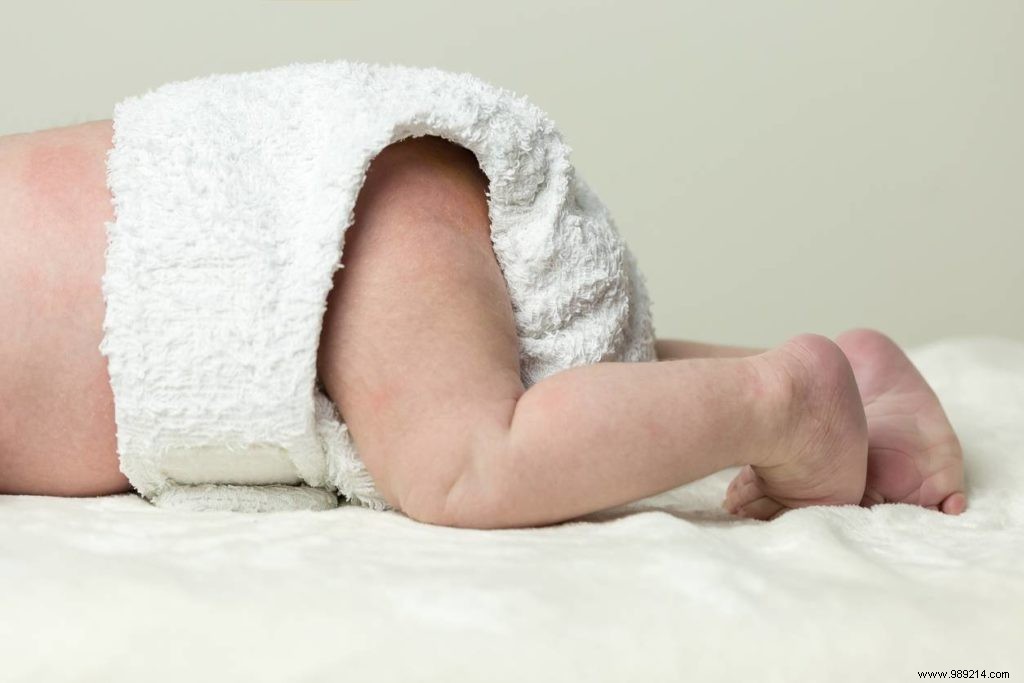
These are crafted from natural materials like cotton, bamboo, and hemp, offering benefits such as being less polluting, more affordable long-term, and gentler on skin. Some parents note the extra laundry as a drawback.
If you prefer disposable diapers, select organic-certified ones. Look for "FSC" or "Nordic Swan" labels. Verify compositions: they should use nearly 100% natural materials.
While some brands offer natural, baby-safe diapers, most conventional ones rely on chlorine-bleached wood pulp, cellulose, polyethylene plastics, and sodium polyacrylate. They include volatile organics like toluene, ethylbenzene, xylene, and dipentene, plus petroleum derivatives. In 2000, Greenpeace detected traces of TBT in these products.
This explains the ongoing debate over diaper safety. They produce non-biodegradable, non-compostable waste—over 30% plastic prevents recycling. Production demands vast energy, water, and resources, driving deforestation.
The absorbent gel poses risks to baby health and ecosystems alike. Incineration releases dioxins, worsening pollution.
