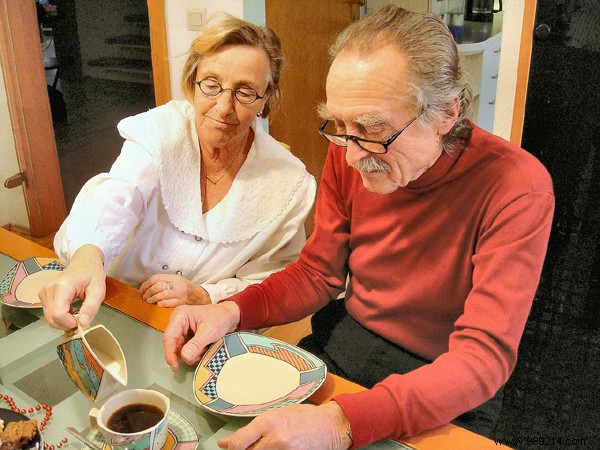
As life expectancy rises and parents age, more adult children are taking on the vital role of caring for their elderly loved ones, who often lose the independence to live alone. Yet this journey brings real challenges. Psychologically, watching physical and mental decline in one's parents is heartbreaking, often stirring guilt over considering care facilities. Practically and financially, quality spots in specialized homes are limited and expensive.
The overwhelming majority of seniors wish to age in place, surrounded by cherished belongings and memories, with regular visits from housekeepers or caregivers. These supports can be subsidized by the government through the APA (Personalized Autonomy Allowance), making it the preferred option. However, a single medical issue or household accident can shift this reality. Age-related memory lapses disrupt daily routines—forgetting meals or appointments becomes common.
Over time, isolation intensifies, and family may spot signs of malnutrition, like an empty fridge or expired foods. This risk escalates for those living alone after losing a spouse, with no daily reminders or support.
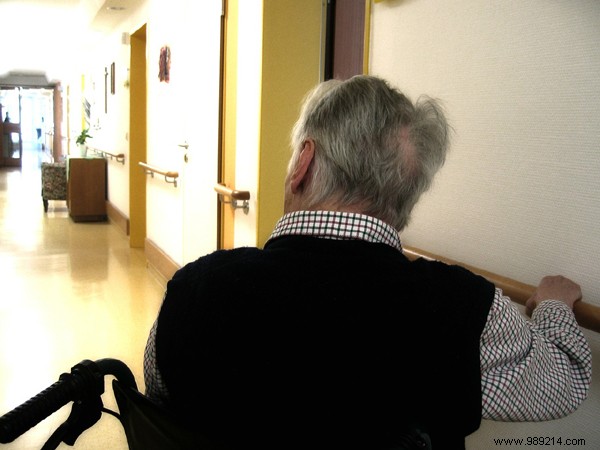
At this stage, transitioning to a retirement home or EHPAD (nursing home for dependent elderly) may be necessary. For more independent seniors, options include senior residences, hostels, or intergenerational housing. Acceptance doesn't come easily, so involve them early.
Anticipate by visiting facilities while they're still capable—familiarity eases the process. Notably, those leaving home today are older and more dependent, often progressing quickly from retirement homes to nursing care. These facilities serve a wide range, from those with mobility issues to early-stage Alzheimer's patients.
Practically, homes can be adapted with grab bars in bathrooms, bathtub-to-shower conversions, large-button phones with speed dials, high-power outlets, fall-detection devices, and emergency call systems. Funding is available through ANAH (National Agency for Habitat Improvement) programs, plus tax credits for qualifying work.
The government's law on adapting society to aging marks progress, though it's limited and lacks provisions for EHPAD funding.
