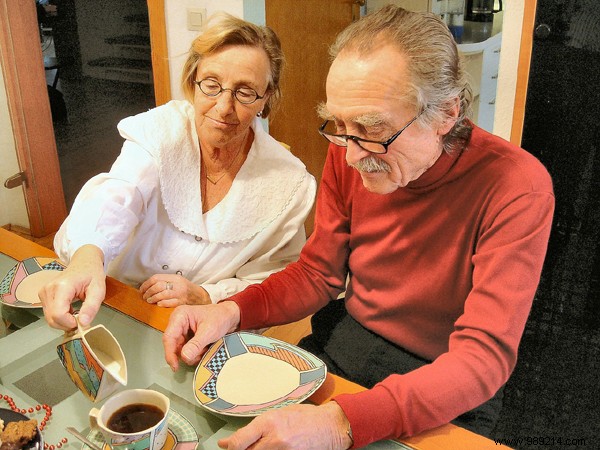
As life expectancy rises and parents age, more adult children are taking on the role of caregivers for elderly loved ones who can no longer live independently due to declining autonomy. Yet this brings real challenges: emotionally, watching physical and mental decline in parents or grandparents is heartbreaking, often compounded by guilt over considering care facilities. Practically and financially, spots in specialized homes are limited and costly.
Most seniors strongly prefer aging in place, surrounded by cherished belongings and memories, with support from regular visits by housekeepers or professional caregivers. These services can often be subsidized by the state through the APA (Personalized Autonomy Allowance). This setup is ideal—until a minor health issue or household accident shifts the balance. Memory lapses common with age can disrupt daily routines, like forgetting mealtimes or appointments.
Isolation can intensify over time, especially after a spouse's passing, with risks like malnutrition evident from empty refrigerators or expired food. Adult children often spot these red flags first.
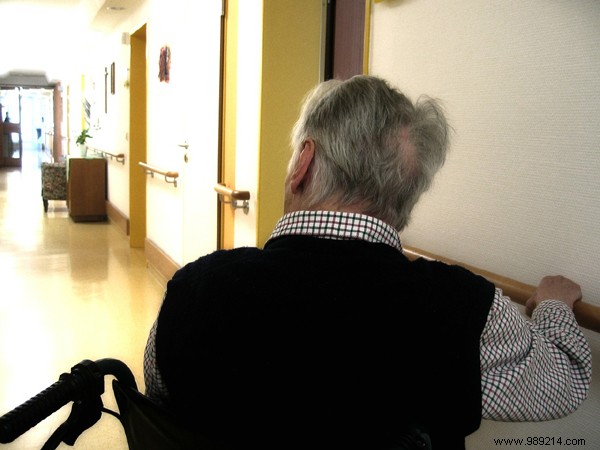
At that point, a retirement home or EHPAD (accommodation for dependent elderly people) becomes a wise choice. For relatively independent seniors, consider senior residences, hostel-style lodging, or intergenerational housing. Transitions aren't easy, so involve them early while they're still capable: site visits build familiarity and ease psychological adjustment. Today, those entering care are typically older and more dependent, often progressing quickly from retirement homes to nursing facilities, which serve a wide range of needs—from mobility issues to early Alzheimer's.
Home adaptations make a big difference: install grab bars in bathrooms, replace bathtubs with walk-in showers, opt for large-button phones with speed dials, add high-power outlets, and provide fall-detection devices or emergency call pendants. Funding is available through programs like the National Agency for the Improvement of Habitat (ANAH), with tax credits for qualifying work.
The government has also launched the legislative process for the Law on Adapting Society to Aging—a positive but limited first step, as it falls short on EHPAD financing.
