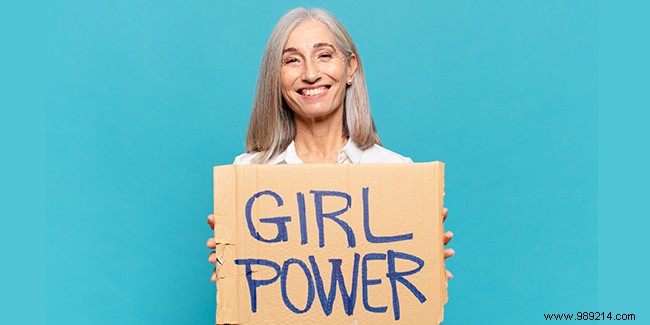
At French family dinners, nothing ignites debate like politics—from elections and governance to hot topics like immigration, veganism, or feminism. Generational rifts often emerge: elders baffled by Anglo-Saxon jargon and fresh demands, youth frustrated by outdated stances. A shared emancipation drive unites them, from family planning pioneers to grandsons and granddaughters sporting "Men are trash" tees. Feminism is evolving beyond women-only territory.
While we say "feminism," the plural fits better—a tapestry of movements with varied goals, theories, and strategies. Legal equality advances, but real-world parity lags. Activists have built robust theory. Bewildered by your grandkids' lingo? This guide, drawn from decades of cultural analysis, clarifies the landscape.
The first wave, spanning the early 20th century, championed universalism: citizens free and equal in rights, per the Declaration of the Rights of Man and Citizen. Women fought for suffrage, education, and workforce access—a reformist push to integrate into the system. Challenges like wage gaps endure.
The second wave arose in the 1960s as a Marxist critique of the first. It framed women's oppression as baked into capitalism via patriarchy. Key insight: "reproductive labor"—unpaid housework and childcare fueling the workforce. "The personal is political" invaded private spheres, tackling domestic violence as systemic.
From the 1990s, the third wave turned postmodern. Echoing era's relativism, it deconstructed sex, gender, and fixed identities. In a fragmented society, struggles individualized, shifting to culture and personal identity.
Intersectionality observes overlapping oppressions—gender, race, class, sexuality, disability—demanding unified fights. Early waves faced criticism for centering privileged white women, sidelining others' voices.
From subaltern studies, standpoint theory posits the marginalized grasp both dominant and oppressed views best. Second-wavers adapted it: prioritize women's lived experiences. Women-only spaces in anti-racism echo this feminist origin.
The veil exemplifies tensions. Veterans see regression; yet autonomy matters. Debates often weaponize Islamophobia over emancipation. True feminism respects women's self-determination—ironic if denied.
Men embracing feminism? Best proof: amplify, don't override women. Many mansplain even in women's arenas, mirroring manspreading's space-hogging entitlement.
Socialization gaps fuel this. #MeToo unleashed testimonies across industries—film, music, politics. Accused men often oblivious, blinded by patriarchal habitus: ingrained dominance norms (no excuse).
Youth feminism aligns with LGBTQ+ efforts, dismantling binary gender norms as oppressive. Dilemma: unite without essentializing identities? TERFs exclude trans women, masking transphobia as radicalism.
Cynics dismiss feminism as spelling squabbles, ignoring wage gaps. This misogyny minimizes broader fights. Inclusive language demands little yet signals cultural shift—opponents inflate it to discredit.
Politics permeates language and private life, not just constitutions. Next family meal, dive in informed. And who cooked?
