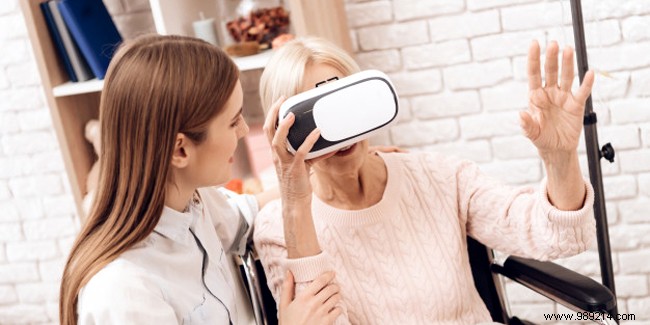
In France, more than 13 million people—about 20% of the population—are aged 65 or older. Demographic forecasts predict that by 2050, four million seniors will lose their autonomy, double the current number. To meet this challenge, society must evolve, helping older adults stay independent at home and actively engaged in social life for as long as possible. Gerontechnology steps in here, harnessing innovative technologies to support healthy, self-reliant aging.
The term "gerontechnology" blends "gerontology"—the study of aging—with "technology." It encompasses a range of technical tools and support systems designed for seniors and their caregivers to simplify everyday tasks.
This field delivers innovative technologies that enhance the lives of older adults and their loved ones across key areas like health, mobility, safety, communication, housing, and leisure.
In many ways, gerontechnology functions as its own science, driving research into new products and services tailored to seniors' unique needs, made possible by advancing tech.
Prioritizing safety, comfort, and ergonomics, it aims to extend healthy lifespans, minimize care needs, and create tech-driven environments for health, home, and leisure among the elderly.
Experts from diverse fields—engineers, gerontologists, ergonomists, nurses, psychologists, builders, and manufacturers—collaborate to advance this discipline.
At its core, gerontechnology deploys state-of-the-art tools to preserve seniors' independence, compensating for age-related declines and enabling smoother daily activities.
These solutions make environments more user-friendly and responsive to older adults' needs, fostering comfort and ease.
Ultimately, it empowers a growing senior population in our aging societies to live independently longer while staying connected to their communities, even as certain abilities fade.
Gerontechnology is transforming seniors' quality of life through practical innovations like connected devices.
For those with cognitive challenges, GPS-enabled key fobs help navigate home safely. Smart pill dispensers remind users with sounds or lights, preventing missed doses or overdoses.
In communication and computing, user-friendly touchscreen devices let seniors with physical limitations surf the web, view digitized photos, and enjoy music effortlessly.
Home adaptations shine too: Light-guided paths aid low-vision seniors in moving safely and reducing fall risks. Remote monitoring systems provide vital security at home.
Looking ahead, expect advanced walking canes that geolocate users, summon help with a button, and track vitals like blood pressure and pulse in real time.
Smart lighting tailored to individual vision needs and voice-activated controls for shutters, doors, heating, and appliances are on the horizon, further securing and enriching daily life.
