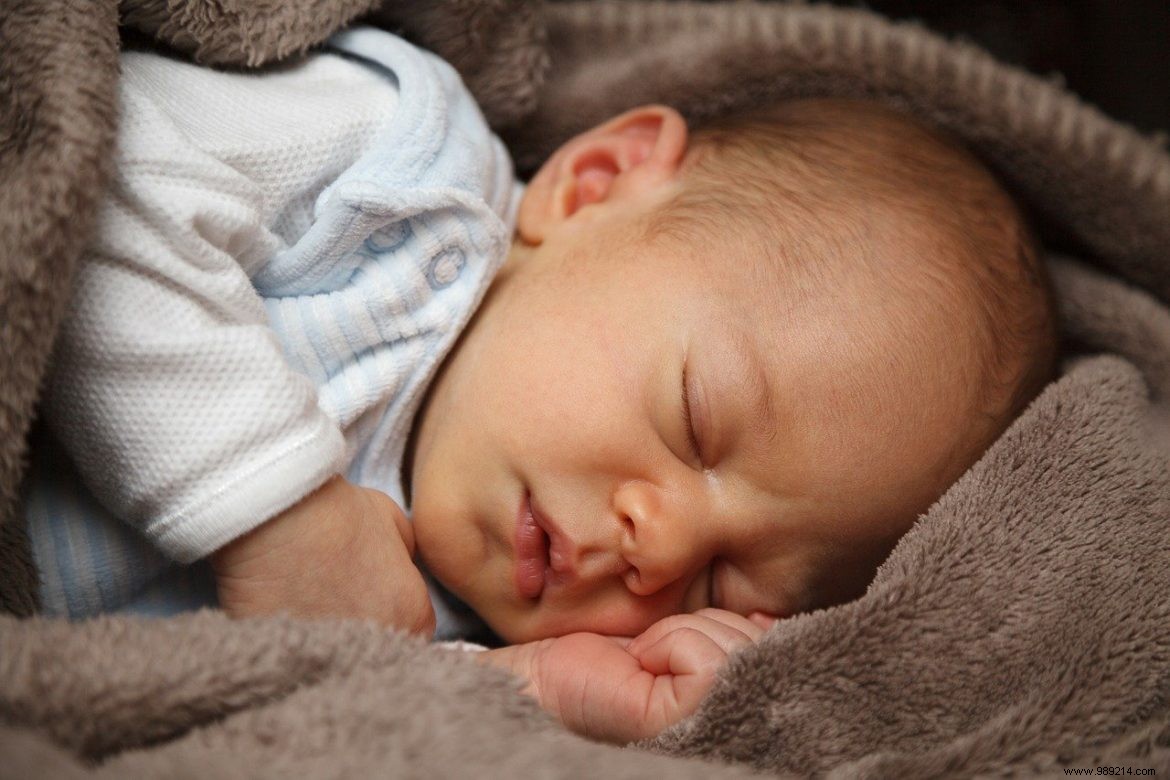
Eczema is a chronic inflammatory skin condition characterized by flare-ups. In infants, it often worsens in winter due to skin dehydration from stark temperature differences between chilly outdoors and warm indoors. Symptoms emerge gradually: initial redness gives way to scales, pustules, or blisters that can bleed or become infected if scratched. Though not typically serious, the intense itching can distress babies, making prompt treatment essential. To rule out more serious issues, always consult a pediatrician if unsure.
Contents 1 Treating atopic eczema 2 Prevention to cure 3 Contact eczema:what to do? 4 Relieve skin lesionsAtopic eczema (or dermatitis) is the most common type in babies. While corticosteroids offer relief, their long-term use carries risks, so natural approaches are often ideal for managing itchiness. During flare-ups, start with cold compresses on red areas. Rehydrate skin by avoiding irritants like wipes and opting for infrequent baths in low-calcium water. Add powdered oats for its soothing, emollient properties. In hard-water areas, use water-softening pebbles to balance pH. Choose fragrance-free, preservative-free cleansers labeled 'physiological pH' for lasting symptom relief. Pat baby dry gently post-bath—no rubbing—and apply a neutral-pH moisturizer. Oleocalcaire liniment, made from olive oil and limewater, is a trusted option available at pharmacies or easy to make at home.
Lowering indoor heating significantly reduces skin dryness. Avoid rough fabrics like wool; select soft, breathable options such as cotton, bamboo, or linen. Opt for thermoregulating or organic hypoallergenic clothing from reputable brands. Before outings in cold weather—especially below freezing—apply a barrier cream, but avoid over-bundling to prevent sweating and friction. Swimming pools' chlorine can irritate eczema-prone skin, so apply barrier cream beforehand, though it's not contraindicated. At home, combat dry air from heating with a humidifier, maintained meticulously with frequent water changes to prevent bacterial growth.
In babies, contact eczema arises from immune reactions to triggers like foods, dust mites in stuffed animals or carpets, harsh detergents, or scented fabric softeners. Nickel in phones or jewelry can also provoke it. Wash baby clothes with mild, hypoallergenic soaps. Identifying and avoiding allergens is key, though they're widespread. Contact eczema often overlaps with atopic dermatitis but may resolve as the child grows.
To prevent infection in existing plaques, trim baby's nails short and apply healing agents. Aloe vera excels at soothing eczema, as do baking soda compresses: mix tablespoons of baking soda with water, apply for 20 minutes, then rinse. Healing essential oils like calophyllum or fine lavender help, but consult a professional before using phytotherapy on infants.
