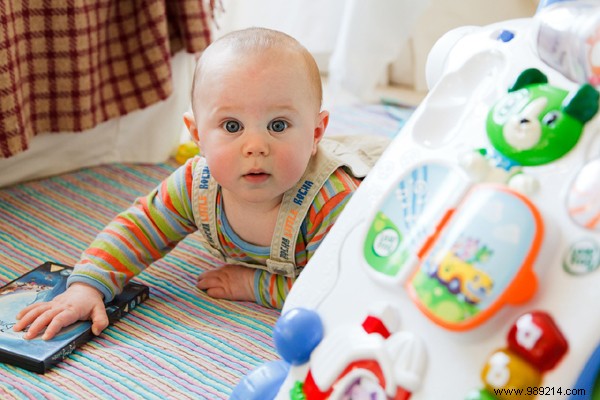
Overwhelmed by excitement at their baby's arrival, many parents grab toys that aren't age-appropriate—or worse, unsafe. As an experienced parent and advocate for child-safe products, I'll guide you on smart choices that support early development.
Toys play a key role in sensory learning from birth, as recommended by child psychiatrists. During these early months, when babies mostly sleep, focus on soft items like rag dolls and stuffed animals to stimulate sight, touch, and hearing.
Babies this age mouth everything, so prioritize all-fabric cuddly toys, such as those from Moulin Roty—a trusted brand for quality, hypoallergenic childcare items. Always avoid toys without the NF safety certification to prevent allergies or poisoning risks.
Around 12 weeks, introduce developmental toys. With my own precocious daughter, I started early with mobiles and music boxes over the crib and changing table, sparking interest in shapes and colors.

Rattles in hourglass, bell, or fabric styles are ideal next. We received many as gifts, but I passed them on once interest waned. Activity mats became our go-to: packed with shapes, sounds, textures, and melodies for multi-sensory play. Foldable versions with storage bags are perfect for travel.
Post-six months, exploration ramps up—crawling, sitting, standing, grabbing, and babbling emerge. Toys now aid motor skills alongside fun and education.
Stack cubes, nesting cups, and soft plastic balls encourage floor play as baby explores. Teething rings soothe emerging teeth, while bath toys like rubber ducks, squeaky animals, and plastic books make water time engaging.
