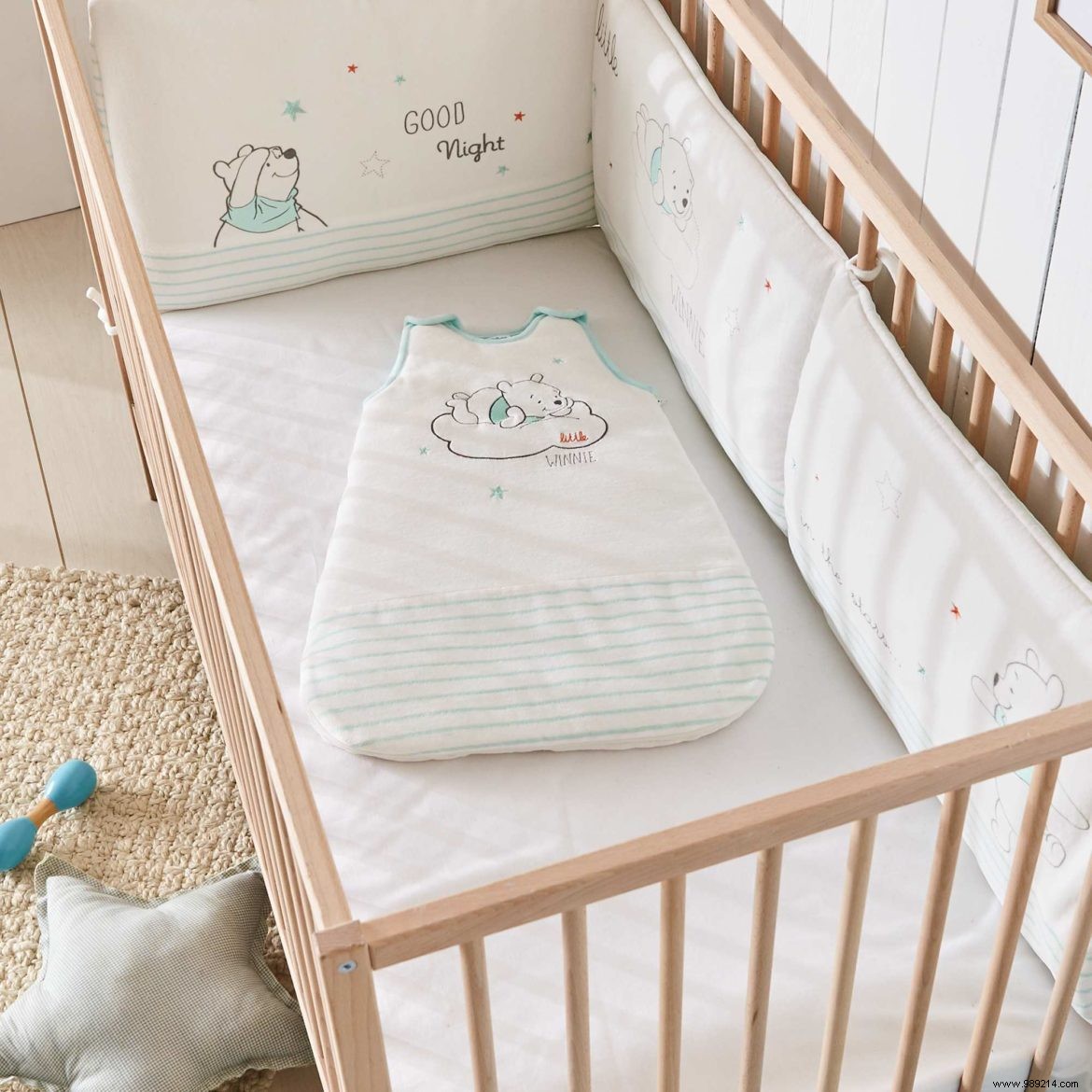
For safe and comfortable sleep, a baby sleeping bag is ideal from birth. While a small blanket with a fitted sheet can work, avoid heavy duvets or eiderdowns, especially to reduce sudden infant death syndrome (SIDS) risk in babies aged 3-5 months.
Contents 1 What is a sleeping bag? 2 The advantages of the sleeping bag 3 Choosing and using your sleeping bagAs pediatric experts recommend avoiding duvets and loose blankets for infants, the baby sleeping bag was developed as a safer alternative. This textile essential keeps your baby warm, allows free movement, and promotes back sleeping—proven to lower SIDS risks associated with choking or overheating.
The sleeping bag envelops your baby's body like a cozy nest, with armholes for upper body mobility while securing the legs together. Recommended up to age 2, many parents extend use for older toddlers for continued safety.
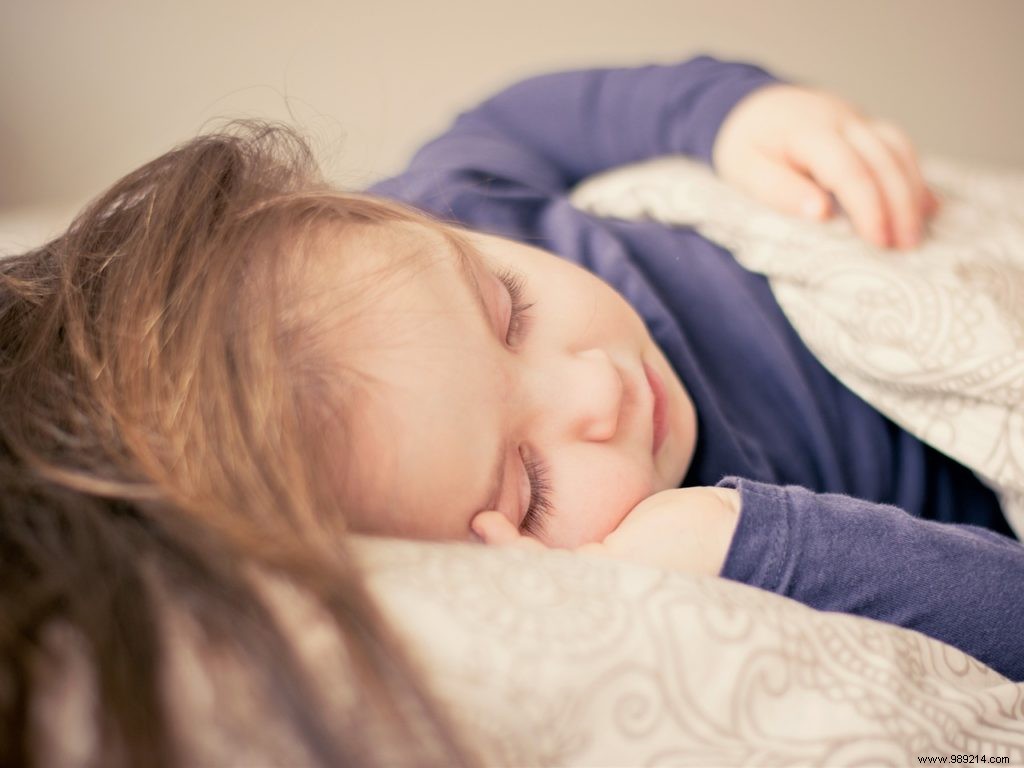
Primarily, it prevents slipping under covers, reducing risks of overheating, airway obstruction, or SIDS—the leading concern for newborns. Babies stay secure on their backs, minimizing dangerous rolls, and can't easily climb out or uncover themselves. It replaces traditional bedding, creating a cocoon-like environment for restful sleep.
When selecting a sleeping bag, ensure it fits your baby's size perfectly—options exist for all ages. Armholes and necklines must be snug but safe. Opt for zipper closures over buttons for ease and security.
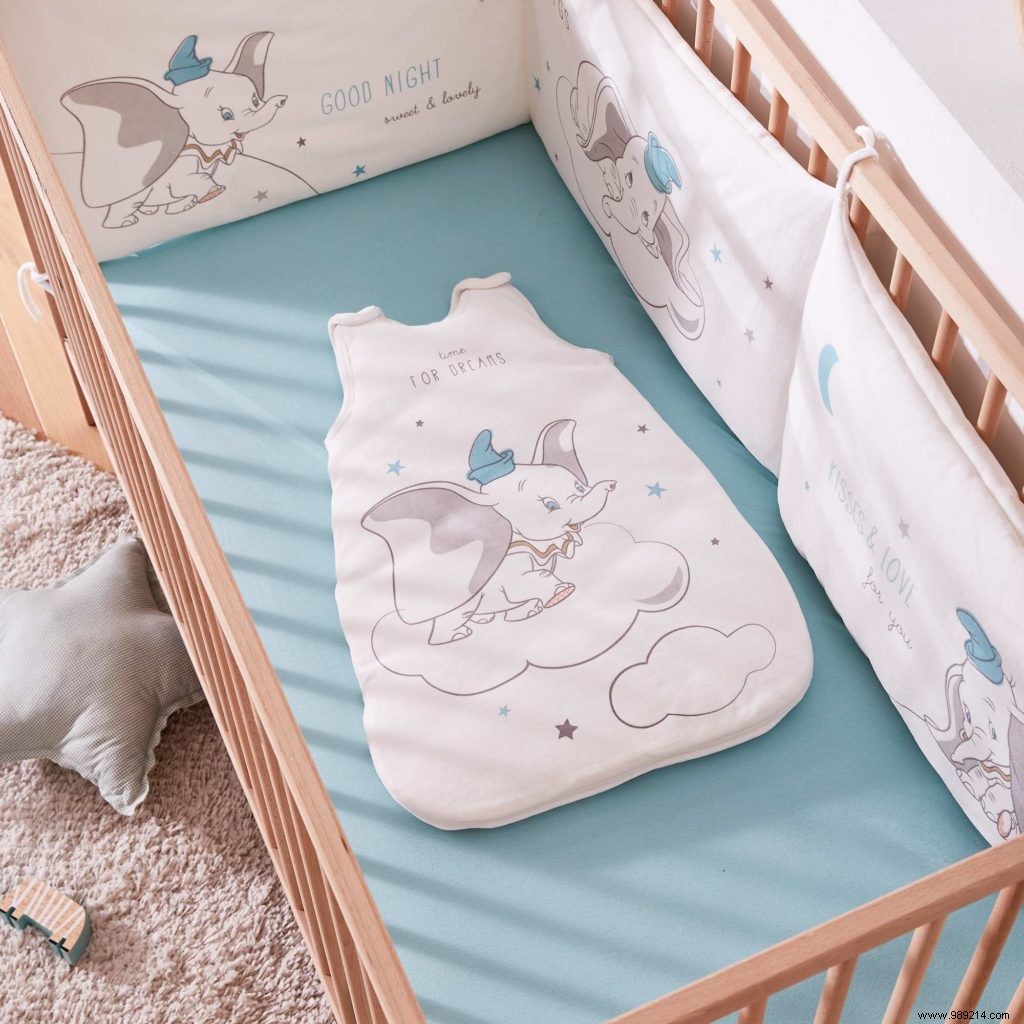
Check labels for seasonal suitability via the TOG index. For summer, choose 0.5-1 TOG; autumn/spring, 2 TOG; below 19°C, 3 TOG—or models with removable sleeves for extra cold. Match room temperature to your comfort: if you're chilly, add a layer to baby, as infants can't self-regulate well. Avoid overdressing to prevent overheating.
