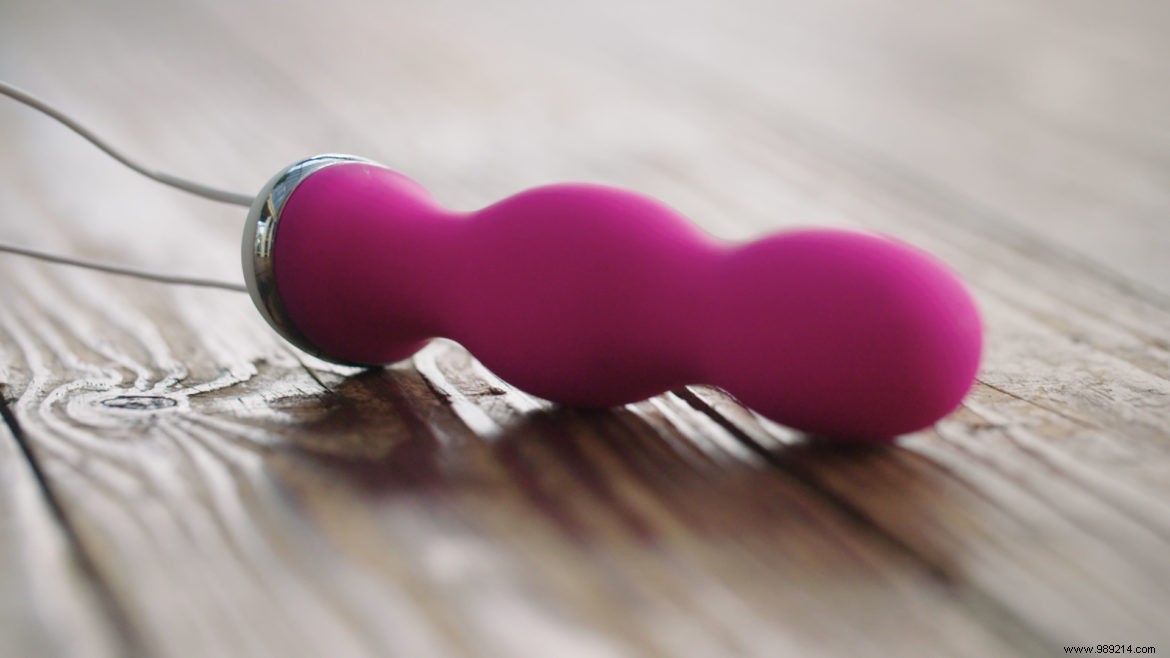
Women's health demands careful attention, particularly for the perineum—a vital area supporting pelvic organs and life itself. With perineal disorders affecting many women, knowledge is the foundation of recovery and prevention.
Contents 1 Discovering the perineum 2 Why strengthen the perineum? 3 Perineal rehabilitation with Perifit 3.1 **** 3.2 Do you strengthen your perineum regularly?Solutions like Perifit, endorsed by specialists, offer reliable perineal rehabilitation. As an advocate for pelvic health with personal experience across two pregnancies, I'll explain the perineum and how targeted rehab restores strength and confidence.
The perineum, or pelvic floor, is a membranous and ligamentous muscle structure closing the pelvis's lower basin. It comprises muscles, membranes, and ligaments supporting pelvic organs like the bladder, rectum, uterus, and anus. Positioned anterior to the sacrum and coccyx and posterior to the pubis, it features three muscle planes—superficial, medium, and deep—reinforced by two ligaments.
Beyond organ support, it bears pregnancy's added weight from the fetus, amniotic fluid, and placenta, gradually relaxing for childbirth. Post-delivery, muscle fibers distend, often reducing tone. It also enhances intimate pleasure through optimal control.

A strong perineum prevents common issues like organ prolapse (anal or genital) and incontinence. It heightens pleasure by better accommodating a partner and eases childbirth. A toned pelvic floor ensures pelvic organ health and fulfilling intimacy.
In my experience, skipping rehab after my first child led to challenges; prioritizing it for the second—and maintaining exercises—averted issues. Consistency is key.
What Exercises Strengthen the Perineum?
Unlike visible abs, perineal muscles are internal. To locate them: Sit, legs apart, contract your anus without tensing buttocks, thighs, or abs—a suction sensation in your lower abdomen confirms activation.
Kegel exercises effectively build tone. However, factors like childbirth, aging, or trauma can weaken it, risking incontinence or prolapse.
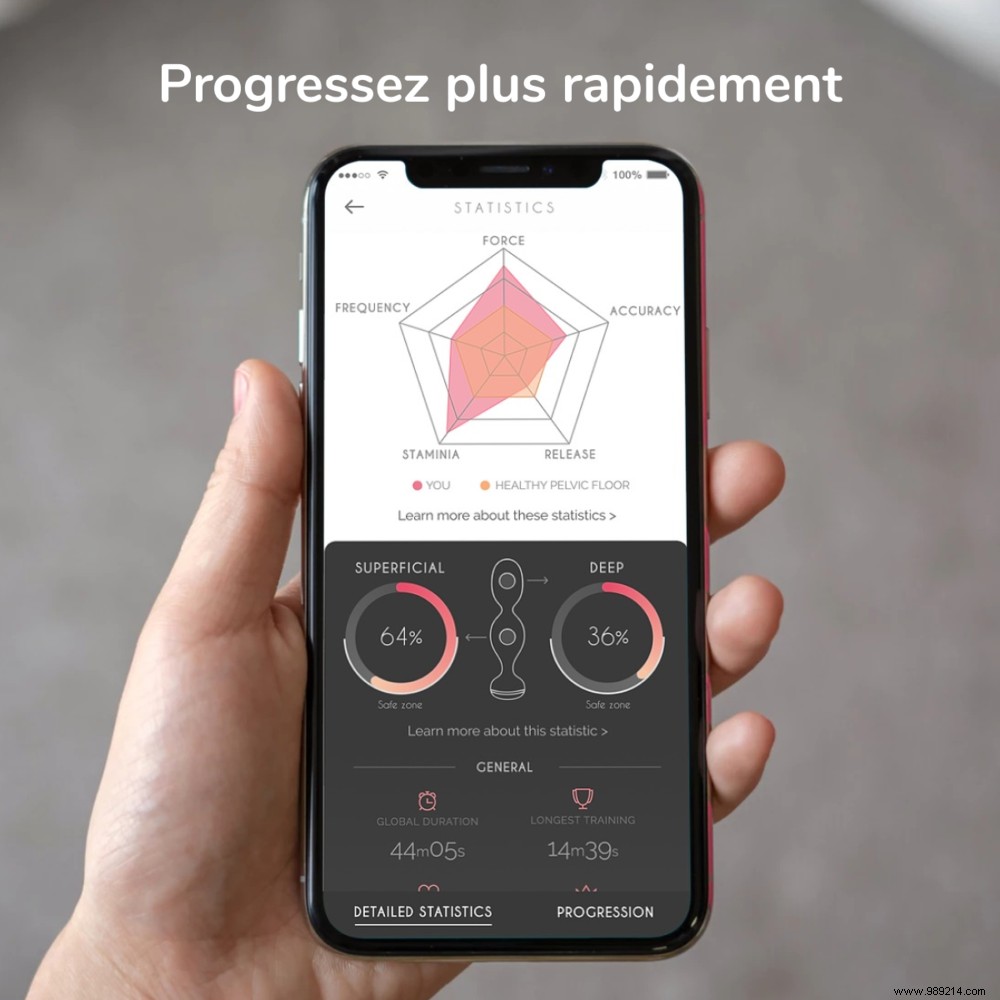
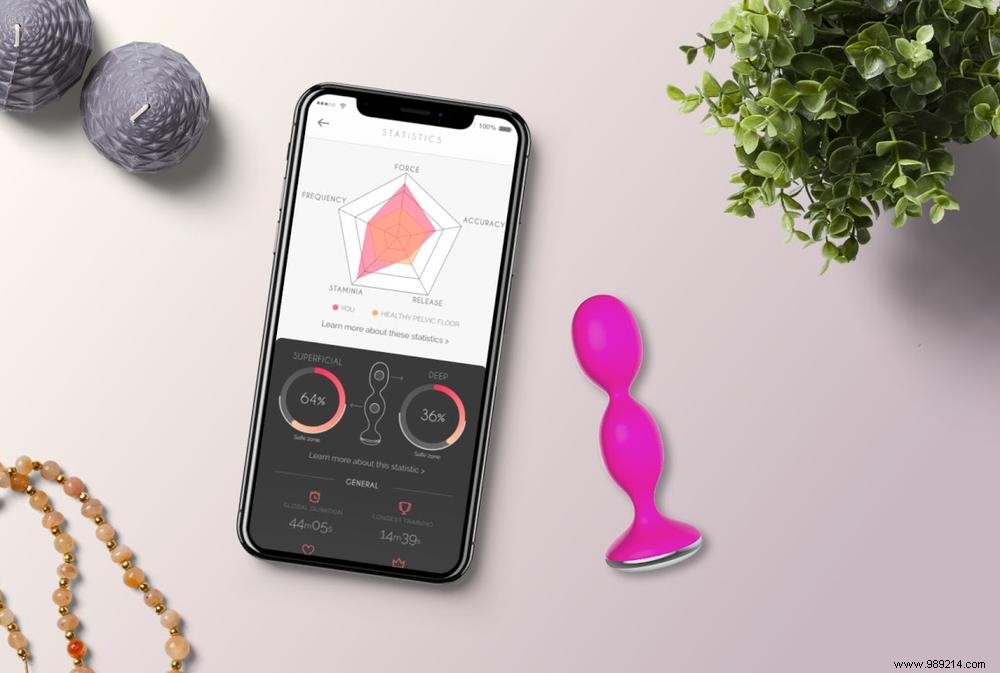
Rehab sessions rebuild tone, combating disorders effectively. Perifit excels here: This 26mm-diameter probe suits all anatomies, pairing with a free app for personalized tracking based on strength, endurance, precision, relaxation, and consistency.
Proven by countless users and recommended by therapists—even alongside professional sessions—Perifit is portable for use anytime, anywhere. The app acts as a motivating coach, gamifying effective exercises to restore pelvic floor vitality. 😉
