As the school year ramps up, so do the demands of family life. For kids, it's a prime opportunity to build independence—like walking home alone after school. This step adds responsibility, but with the right precautions, you can ensure their safety until you arrive. Here's how, drawing from years of parenting and home security expertise.
Contents 1 Assess the context 2 Install a connected alarm to protect your child 3 Establish safety instructions 4 Plan activities to do while waiting for adultsConsidering letting your children go home alone? First, evaluate your child's maturity—age isn't everything. A 10-year-old can often manage 1-2 hours solo, while an older child might struggle if issues arise.
To assess readiness, ask these key questions:
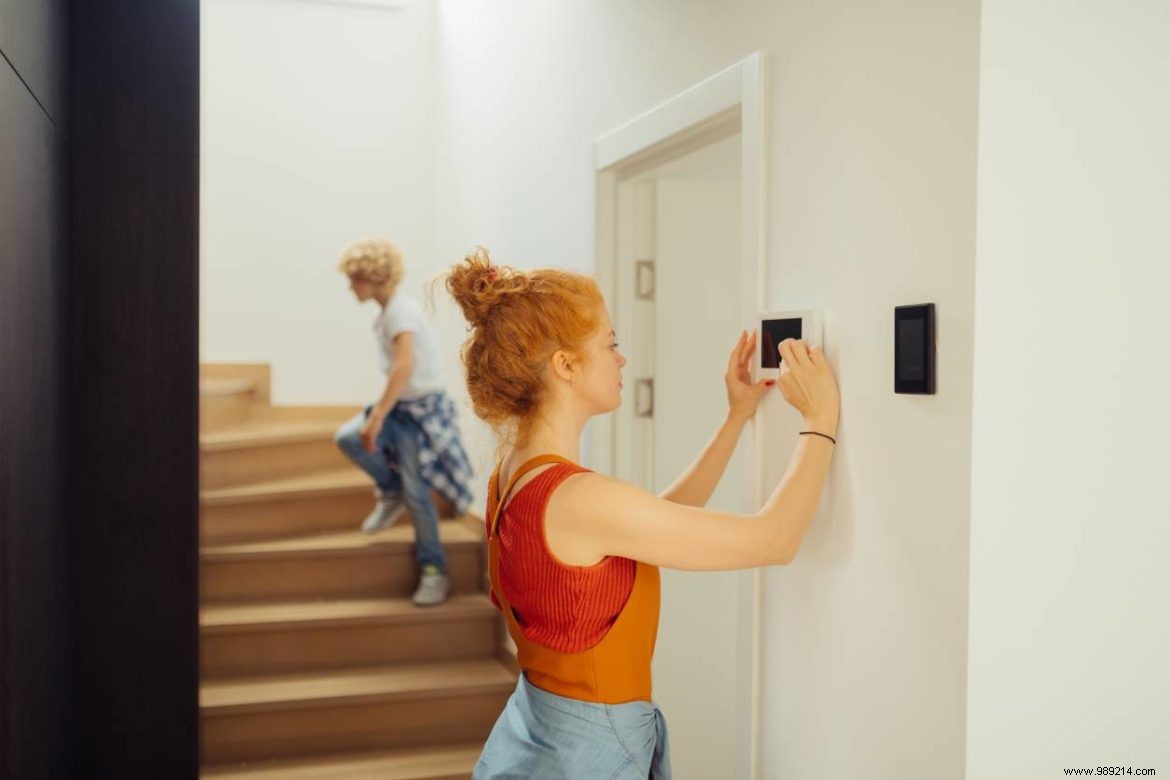
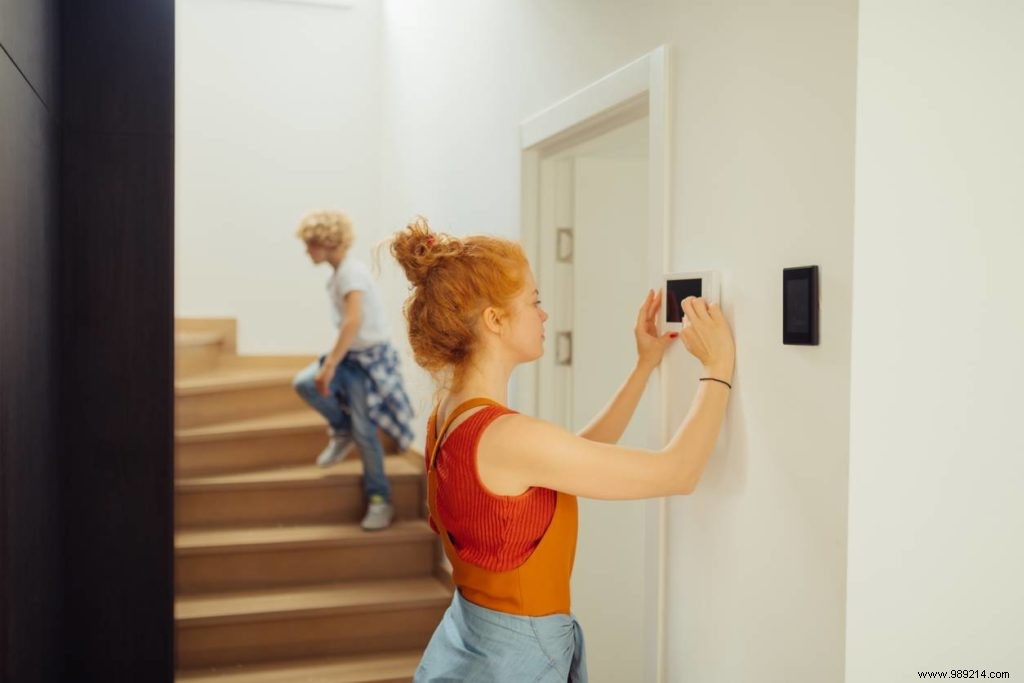
Children can't fend off intruders alone, so fortify your home with a connected alarm system placed strategically. In a break-in, the siren activates and you receive an instant SMS alert on your phone, tablet, or computer—just download the app for real-time notifications. This provides peace of mind while your child waits.
The system uses motion, shock, and door/window detectors to trigger on suspicious activity.
For added security, integrate surveillance cameras to monitor your home and child remotely via your devices.
Bonus: Link smoke detectors to prevent fire risks.

Once decided, demonstrate the alarm and teach essential safety steps for alerts or sirens.
Set clear rules to keep them safe:
Include online safety rules if they use the internet regularly.
Engaging activities prevent boredom and reinforce routines. Post a customized list on the fridge or whiteboard, such as:
Adapt to your family's habits for smooth transitions.
