
The impact of screen time on children remains a hot topic among parents and experts. While authorities advise against TV before age 3, interactive screens like tablets can support early cognitive development even before age 2, according to the Academy of Sciences—but only with strict adult supervision and limited to 15 minutes daily. That said, jumping straight to video game consoles? Best to hold off.
Contents 1 Video games, not recommended before the age of 3 2 From 3 to 6 years old: first experiences 3 Between 6 and 12 years old
As pediatric development specialists emphasize, even limited exposure to interactive stories or reflex games before age 3 should take a backseat to activities fostering social interaction, language skills, attention, motor development, and imaginative play. Children thrive through peer play, hands-on object manipulation, outdoor exploration, and real-world discovery—building curiosity and reducing sedentary risks later in life. Early childhood is fleeting; prioritize it over screens for optimal growth.

Many parents introduce controllers around age 3 or 4 if interest sparks. That's fine, with caveats: never unsupervised play, cap sessions at 30 minutes daily for 3-year-olds (up to 1 hour by age 6), and frame it as family bonding. Opt for multiplayer titles like racing or dance games—Mario Kart excels for fun intros, while Just Dance blends gaming with movement.
Stick to PEGI 3-rated games. This European system rates by age (3, 7, 12, 16, 18), flagging content risks like violence or scares—not difficulty. PEGI 3 ensures no profanity, frightening visuals, or aggression.
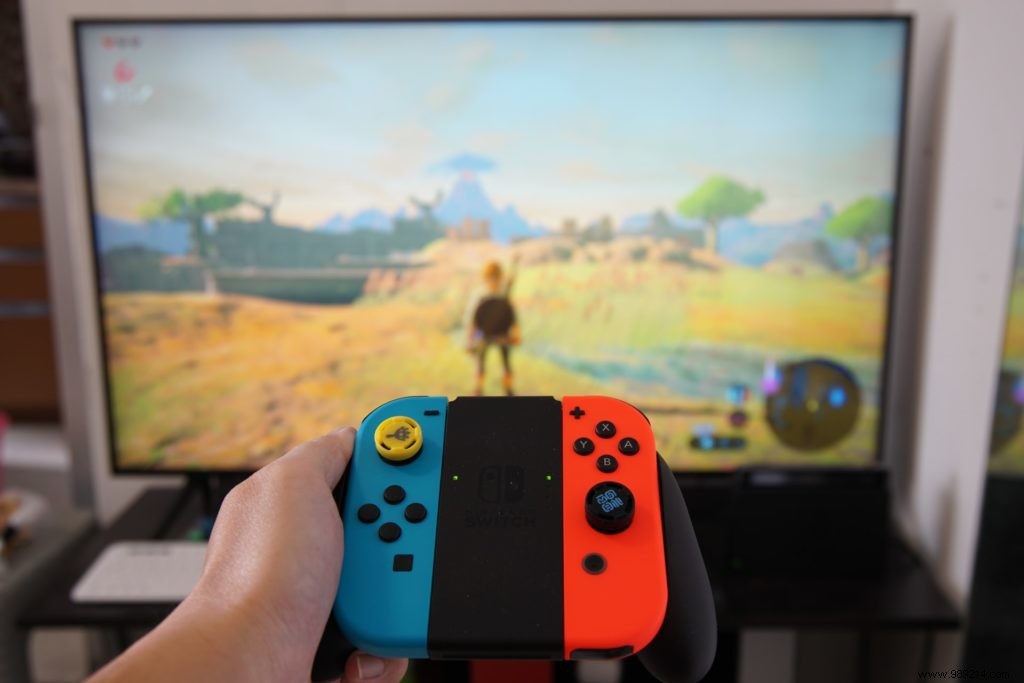
By age 6, teach the distinction: consoles for fun, computers for learning and work. Alternate platforms to build dexterity across joystick, keyboard, and mouse. For vetted picks, check Pedagojeux, which analyzes educational value—though test others yourself.
As kids mature, grant more independence, but enforce rules: no pre-bedtime play to protect sleep, use parental controls for time limits, and balance with other pursuits. Diversify genres—platforms, action (PEGI-checked), strategy—for reflexes and skills. Limit online time and avoid addictive MMOs like World of Warcraft, League of Legends, Dofus, or Fortnite. Video games enhance development when moderated, never replacing real-life essentials.
