In their first few months, babies primarily rely on breast milk or formula. Around six months, as solid foods are gradually introduced, many parents wonder about incorporating fats into their little one's diet.
With fats often scrutinized in adult diets, it's common for parents to hesitate before adding them to baby foods. Yet, as a parent guided by our pediatrician's recommendations, I've seen firsthand why they're indispensable. Fats deliver key fat-soluble vitamins—A, D, E, and K—essential for growth and brain development. They also provide omega-3 and omega-6 fatty acids, unavailable from other sources.
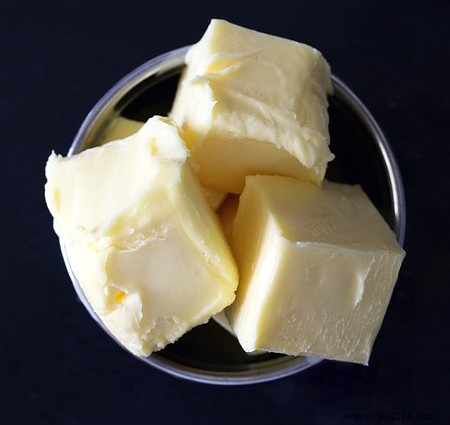
Breast milk naturally contains lipids, but their levels drop after six months, making supplementation necessary. Following pediatrician advice, I started adding a small pat of high-quality butter to my children's purees around 7-8 months. Alternatives like fish or egg yolk work well too—introduce gradually to support optimal health.

Diversity is key when selecting fats. I favor organic, unsalted butter (saving salted varieties for adults), a habit rooted in family tradition and expert guidance. Before age two, stick to unsalted to avoid excess sodium.
Moderation matters to prevent future weight issues: a small knob of butter or fresh cream daily suffices until 12 months, then incorporate into most meals (except fish days). Always stir raw into veggies or purees—reserve cooking for occasional baking.
Prefer vegetable oils? Opt for extra-virgin olive, rapeseed, sunflower, walnut, hazelnut, or sesame—cold-pressed and organic to minimize allergy risks. Use the same modest amounts as with butter for balanced nutrition.
