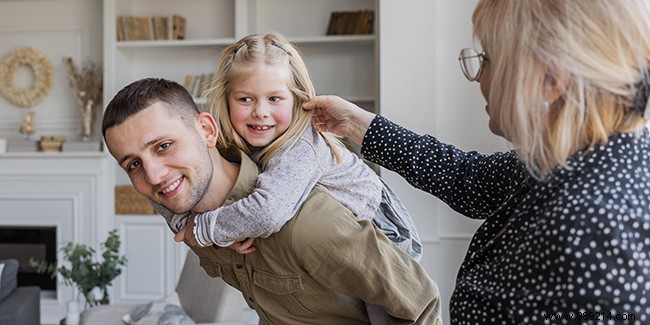
In France, about one in four children lives with just one biological parent, due to reasons ranging from parental separation or divorce—the most common—to early widowhood or family estrangement. When the parent doesn't form a new family, it's called a single-parent family, distinct from traditional nuclear or blended families. Mothers typically shoulder this role, either because the father left or due to courts more often granting them custody post-divorce. This setup can strain paternal grandparents, especially when contact with grandchildren is severed along that line.
While not inherently negative—with benefits like a calmer home after conflictual marriages—growing up with one daily parent presents challenges for the child, the parent, and grandparents, who often step up more. So, what sets grandparenting in single-parent families apart?
Raising children solo demands a heavier mental load without spousal support, biological or step. Single parents juggle schedules, work, shopping, childcare, cooking, and chores—a full-time endeavor with scant downtime. Older kids may help siblings or housework, fostering independence, but screens or sitters often fill gaps. Affordable options? Volunteers like grandparents.
Support extends beyond grandparents to aunts, uncles, friends, or neighbors, especially for young children needing care to balance work and family. Single-parent families face limited resources, favoring group care or relatives. Overwhelmed parents turn to nearby, willing grandparents—though retirees may prefer flexibility.
This reliance isn't overstated: single-parent families average just a few extra hours weekly from grandparents versus national norms. Yet dependence exists—a 2013 DREES study found 52% of single mothers live under 30 minutes from grandparents (vs. 43% others), with 36% of their working mothers' children cared for weekly by grandparents (vs. 29% in two-parent homes). Help peaks after school, midweek, or illness.
Intergenerational solidarity thrives across families, but single-parent ones—often more deprived—rely on it urgently. Financial aid is common, more gifts than loans per a 2021 Charente-Maritime UDAF survey.
Grandparents risk overstepping with good intentions. To avoid burdening, discuss boundaries—don't become an unwanted surrogate parent, respecting the parent's needs, autonomy, or pride.
Closer ties mean grandparents partly parent again, filling the absent parent's gap. A once-distant grandfather might discover nurturing sides through frequent grandchild contact.
They retain a special grandparent bond—complicit, less authoritative—but engage daily in schedules, school, activities. This can favor these grandchildren, understandably, if it doesn't strain other family ties. Frequent care or vacations don't mean less love elsewhere; grandparents can voice preferences more freely.
Helping mustn't overburden grandparents. Protect your well-being—rewarding aid reinforces your role, but resentment brews without balance. Set limits like single parents do; it's not your primary job, however fulfilling.
