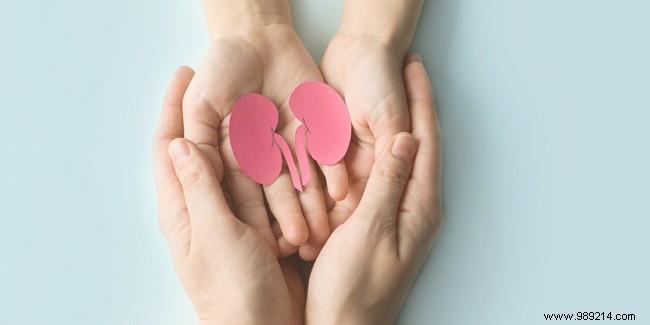
You can donate an organ during your lifetime or authorize donation after death. This selfless act, performed free of charge, saves countless lives. Both living and posthumous donations adhere to strict regulations overseen by France's Agence de la Biomédecine, a Ministry of Health agency. It develops guidelines for organ, tissue, and cell donation, removal, and transplantation; manages the national transplant waiting list and refusal registry; coordinates procurements; and allocates grafts fairly across France and internationally based on medical needs and equity principles while evaluating transplant activities.
French law presumes consent for organ and tissue donation after death under national solidarity principles. Per the Ministry of Solidarity and Health, 92% of donations come from deceased donors.
To opt out, explicitly register your refusal during life—for all or specific organs/tissues.
Submit a dated, signed letter to a family member. If unable to write, a third party can document it with two witnesses confirming your wishes.
Register online at registrenationaldesrefus.fr (from age 13), by mail to Agence de la Biomédecine - Registre National des Refus - 1 avenue du Stade de France - 93212 Saint-Denis La Plaine Cedex, or orally to loved ones. Update or revoke anytime.
Post-death donations ensure anonymity and equity—no designating recipients in advance.
Deceased donors (often from brain trauma, stroke, or cardiac arrest) provide kidneys, livers, hearts, lungs, pancreases, intestines, corneas, skin, vessels, bones, and valves, benefiting multiple patients.
No age limit applies; illnesses or treatments don't automatically disqualify. Retrieval teams assess organ viability for transplantation. Organ quality at removal time is key.
Older donors (over 60) may yield fewer organs like hearts, but kidneys and livers remain viable.
Living donation—typically a kidney or liver lobe—accounts for 7.5% of French transplants, per Agence de la Biomédecine.
Bioethics law (revised 2011) requires donors be legal adults, capable, and donating to close relatives (parents, children, siblings, grandparents, aunts/uncles, cousins) or live-in partners (spouse, PACS, cohabitant ≥2 years) or those with a "close, stable emotional link" ≥2 years.
No age contraindications—possible at any adult age.
Donor provides written consent before a tribunal president or magistrate.
Physicians confirm surgical safety and no transmissible diseases.
Incompatible pairs enable cross-donation to matched recipients.
Donors receive full risk disclosure and expert committee review to verify free consent and psychological fitness before approving.
