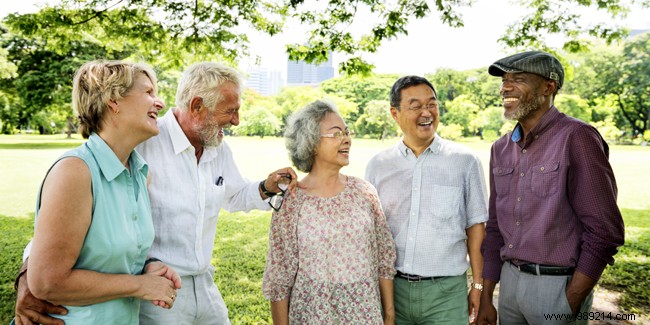
The concept of "aging well" emerged alongside shifting attitudes toward older workers at the end of the 20th century, particularly as our societies age. By 2040, people over 60 are projected to make up one-third of the population. Today's focus has shifted from simply extending lifespan to enhancing quality of life. Life expectancy at birth now stands at 85.6 years for women and 79.1 years for men, up from 69.2 and 63.4 years in the 1950s. "Aging well" encompasses preventive strategies across health, autonomy, personal development, and more.
We are living longer than ever, making it essential to age in good health. While age-related diseases become more common, evidence from numerous scientific studies shows we can age better by embracing proven prevention principles.
Health experts universally agree: staying active is key. Tailored to their stage of life, seniors' lifestyles—including leisure, exercise, and nutrition—should promote ongoing vitality and help ward off age-related conditions.
"Aging well" also involves targeted preventive measures to extend independence, preserve quality of life, and support aging in place at home.
Beyond physical health, aging well means continuing to thrive. A vital strategy for countering aging's effects is nurturing a vibrant social life, especially intergenerational connections.
As noted by France's national public health agency, Santé publique France, the essence of aging well is captured in this: "desire and pleasure are the common thread of this approach to enable seniors to stay in touch and age serenely."
Recommendations vary by age. For younger retirees, it emphasizes balanced eating, regular movement, mental sharpness, and self-care to safeguard health. For those over 75, guidance addresses bodily changes while stressing social bonds to combat isolation, intergenerational links, cognitive preservation, nutritious eating, adapted physical activity, and pursuing personal projects.
Ultimately, aging well integrates biological, cognitive, and social factors for the healthiest possible journey through later years.
