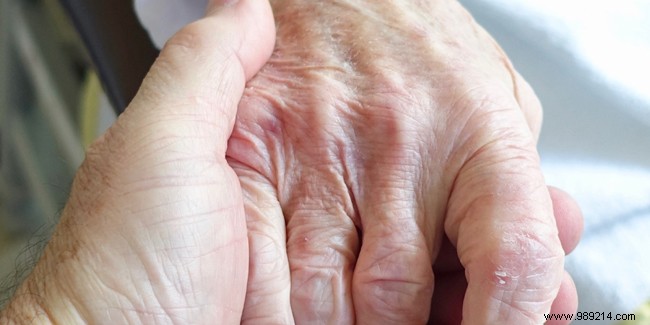
In France, around 11 million individuals serve as family caregivers for elderly loved ones, with women comprising the majority. Most are spouses, while nearly 20% are other relatives. These dedicated caregivers provide essential support to seniors experiencing loss of autonomy.
Balancing caregiving with personal and professional responsibilities can be challenging, often leading to stress and exhaustion. Recognizing this, the 2015 Law on Adapting Society to Aging established formal legal status for family caregivers, unlocking rights to leave, training, and financial assistance.
The terms 'near-aid caregiver' or 'family caregiver' describe those assisting dependent or disabled individuals. This includes family members of the elderly person or chosen companions. Caregivers may support independently or alongside professional home aides.
Since the 2015 law, family caregiver status is legally defined as: "the spouse, partner, civil solidarity pact holder, ascendant, descendant, or collateral up to the fourth degree of the beneficiary, or of the other couple member, providing unpaid human assistance."
Numerous resources support caregivers, including local elderly information points, respite platforms, and websites like The Caregiver Company, With Our Loved Ones, Aidant Attitude, and National Caregiver Day.
Caregivers can receive payment when aiding seniors eligible for Personalized Autonomy Assistance (APA). These beneficiaries may employ family members (excluding spouses, PACS partners, or cohabitants) via an employment contract, properly declared to Urssaf.
Private-sector employees with at least one year of seniority can take unpaid caregiver leave—up to 3 months, renewable to a 1-year career maximum—to care for a loved one with autonomy loss. It may be full-time, fractional, or part-time. During leave, caregivers gain free old-age insurance contributions (AVPF) for pension quarters.
Employees notify employers at least one month in advance; refusal is only possible if conditions aren't met. Leave ends upon the cared-for person's death, institutionalization, home aid usage, or caregiver's significant income drop.
Since 2018, colleagues can donate unused leave days to caregivers for paid time off. Due to low uptake of unpaid leave, in 2019, Minister Agnès Buzyn announced paid caregiver leave for 2020, targeting the Social Security budget.
Working caregivers of terminally ill elderly can take 3 months of unpaid family solidarity leave, renewable once, full- or part-time. They qualify for a €56.10 daily allowance (as of April 1, 2019), up to 21 days.
The 2015 law guarantees a 'right to respite,' funding up to €500 annually for temporary day/night care, institutional stays, family homes, or home relays, allowing caregivers essential breaks.
Health professionals offer nationwide training on topics like daily interactions, communication, and balancing caregiving with personal life. Many non-vocational sessions are free for caregivers.
