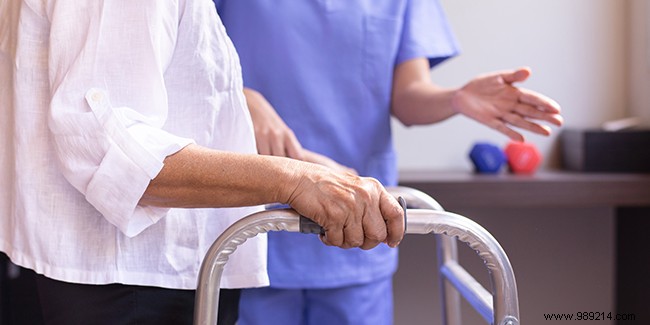
In France today, nearly one million people live with Alzheimer's disease and related dementias—a number projected to reach 1.75 million by 2030. To meet the growing needs of these highly dependent individuals, many nursing homes (EHPADs) have introduced Protected Life Units (UVPs). These specialized units provide secure, nurturing environments that foster community, personalized care, and dignity for seniors with cognitive impairments.
A Protected Life Unit (UVP) is a dedicated space, typically within a nursing home (EHPAD), designed for residents over 60 with Alzheimer's disease or related cognitive disorders.
Originally known as 'Cantou' centers—pioneered in France in the late 1970s—these were once standalone facilities for dementia patients. Today, UVPs are commonly integrated into nursing homes or retirement residences, evolving to offer enhanced security and warmth while preserving residents' autonomy amid disorientation and dependency.
Limited to around 20 residents, UVPs create intimate, human-scale settings. Each person has a private room evoking familiarity, complemented by shared communal areas. Safety features include lockable doors and windows, anti-fall furniture, and specialized equipment to minimize risks.
UVPs stand out by delivering environments fully adapted to the cognitive and physical challenges of Alzheimer's and similar neurodegenerative conditions. Residents often require intensive, specialized support beyond standard nursing home care.
Multidisciplinary teams—nursing aides, medico-psychological assistants, art therapists, physiotherapists, occupational therapists, psychomotor therapists, and more—provide expert, dementia-trained care in adequate ratios.
Advanced monitoring equipment ensures round-the-clock safety and tailored attention. Therapeutic workshops address common issues like eating difficulties, anxiety, agitation, and low self-esteem, helping residents rediscover joy, confidence, and purpose.
Daily life mimics home routines—simple tasks like dishwashing, laundry, or vegetable prep—to maximize independence. Personalized programs stimulate cognitive and physical abilities daily.
Families play a vital role, with regular meetings to share insights, address concerns, and enhance their loved ones' quality of life. This collaborative approach underscores our commitment to holistic, compassionate care.
