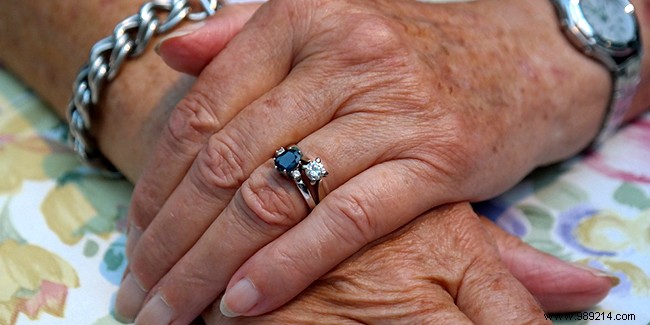
Seniors entering a nursing home (EHPAD) often reside there long-term, sometimes for life. Personalizing their space with cherished furniture, documents, or belongings—like jewelry with deep sentimental and financial value—is essential for their well-being.
Regrettably, theft of personal items, including jewelry, can occur in these facilities, particularly affecting vulnerable residents with Alzheimer's disease. What precautions can protect against this? How should you address a loss?
Upon admission to a nursing home, residents or their representatives sign a residence contract—mandatory for stays over two months. This outlines care goals, stay conditions, financial obligations, and services like housing, meals, laundry, medical oversight, and activities.
A welcome booklet details rights, freedoms, and operational rules, including a charter of resident rights.
Facilities must offer secure deposit of valuables, such as jewelry, in a dedicated safe. A signed receipt protects these items from theft—crucial for Alzheimer's patients prone to disorientation and memory loss. Residents may keep items like wedding rings or watches, but it's riskier.
A detailed inventory of personal effects, especially valuables, is always conducted, with a receipt for the resident and a copy in the facility's register. This is vital evidence in theft cases.
Depositing valuables in the safe is safest, as Article L1113-1 of the Public Health Code holds facilities "fully responsible for the theft, loss, or damage of objects entrusted to designated staff or a public accountant by admitted or accommodated persons."
For safe-deposited jewelry, the facility's civil liability is automatically engaged—no proof of fault needed. For items kept by the resident, liability requires demonstrating facility fault or inadequate safeguards.
Civil liability entitles compensation for losses.
If disputes arise over resolution or compensation—especially for Alzheimer's residents—a representative can seek amicable solutions without police involvement. Engage the facility's social life council, which represents residents. Or contact the "qualified person" (per the January 2, 2002 law), a neutral mediator listed in the welcome booklet, who can be approached by the resident or family.
